|
Search this site

View map of South
America
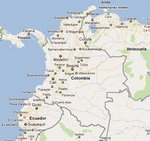
View map of
Colombia
Copyright © All World Vacation Station
|

|
COLOMBIA TRAVEL GUIDE:
|
Top
|
|
Bogota
Colombia: Enjoy An Andes Vacation Experience
Carnaval
De Barranquilla - High Dose of Excitement
Cartagena, Colombia - 4 Ways To
Visit Before Leaving Home
Colombia
Travel Advice For Visitors
Colombian
Coffee - The Best in The World
Take
Spanish lessons and visit Colombia
Travel
the Colombia Coast the Green Way with Las Pleyades (Santa Marta)
Traveling
to Medellin, Colombia
When
Colombia Calls, You Travel - Colombia Travel Information
Colombia
Travel Advice For Visitors by Tom Fisher
Colombia travel advice seekers
should be prepared for a sensory assault that will entice and thrill
visitors. Colombia has a great deal of diverse attractions and
activities, with two coasts facing the Pacific Ocean and the Caribbean
Sea. It has everything from deserts to glaciers, steaming rainforests,
secluded islands, pristine beaches and modern cities.
Western
tourists and visitors will probably want to fly in by plane to Bogota, which is the capital. Depending
on the itinerary, it's also possible to hop over by plane to other
destinations like Cartagena,
Cali or San Andres. Visitors entering from Ecuador or
Venezuela can come in by bus or car, and those coming from Panama can
take a boat.
Safety-wise,
visitors don't have all that much to worry these days. Metropolitan zones
are about the same as any other city in Central & South America.
Visitors should take standard precautions such as avoiding a tough
neighborhood after dark and not heading off solo into isolated regions.
The
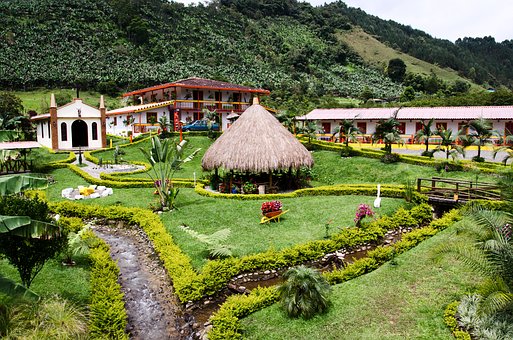
real draw for visitors is the variety of the destinations and the natural
beauty. The choices range from Bogota's flesh pots to the Salsa clubs in Cali and the Carnival in Barranquilla, among others.
Visitors can spend many days & weeks enjoying all this, not to
mention the tropical rainforests, majestic humpback whales in the
Pacific, and the pristine beaches and coral reefs near Caribbean coast
islands like San Andres, Santa Catalina and Providencia.
Speaking
of which, scuba diving is one of the premier attractions here that draw
in large number of visitors from all over the world. As mentioned above,
visitors can explore the underwater marine life on both the Caribbean and
Pacific coasts. There are some destinations on each coast that are famed
for their excellent dive spots.
San
Andres and Providencia probably offer the most popular dive spots on the
Caribbean coast. Isla Gorgona and Malpelo Island on the Pacific Coast are
quite famous and popular among both tourists and expert divers. Visitors
need to choose from amongst these locations based on their taste for
adventure, diving skill and travel logistics.
So for
example, a visitor planning to head out to San Andres can reach it
directly by air even though it is 700 km away from the mainland. Another
plus point here is that since the coral reef is really long, tourists and
divers can enjoy the dive spots and attractions of Providencia &
Santa Catalina along with San Andres.
The
biggest attraction is, of course, the famous 'sea of seven colors' which
is a good indicator of the diversity of marine life here.
Pacific
coast divers at spots near Malpelo Island or Isla Gorgona tend to be more
adventurous. A trip here involves a flight to Guapi from Cali, followed
by a boat ride to the island. Crystal clear and cold waters await divers,
along with whale sharks and hammerheads. Isla Gorgona is an especially
tourist-friendly place with nature tours, whale watching and beaches, and
a history as an old prison island like Alcatraz.
To end
this healthy dose of Colombia travel advice on a general note, visitors
are advised to consider longer stays. It's not possible to drive-thru or
jump from one airport to another over a quick weekend. Every destination
has to be considered as a mini vacation by itself that needs to be
explored and enjoyed at its own sweet pace.
Top
|
|
About the Author: If you want
more great tips try my new Colombia travel advice site
www.traveladvice.tv/south-america/colombia
|
|
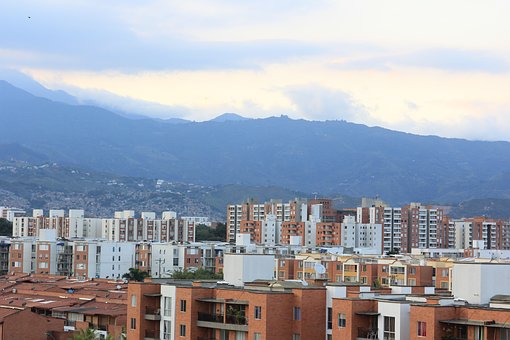
Santiago
de Cali, simply referred to as Cali,
is a city in western Colombia and the capital of the Valle del Cauca
Department. With a population of 2.5 million, Cali is the second largest
city in the country. It has one of the fastest growing economies and
infrastructure in the country because of its geographical location. The
city was founded on July 25, 1536 by the Spanish conquistador Sebastián
de Belalcázar.
|
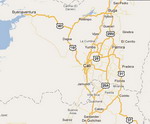
View map of Cali
|
|
Ibagué
is the capital of the department of Tolima in Colombia. It is situated
1,285 m (4,216 ft) above sea level, on the eastern slopes of the
Cordillera Central between the Chipalo and Combeima rivers, tributaries
of the Coello River. It is on the road from Bogotá to Cali near the high
mountain pass known as "La Línea" ("The Line") which
connects the interandean valleys of Magdalena and Cauca rivers; as a
result, the city has become an important commercial center and road
transport hub. The fertile surrounding countryside produces coffee,
cacao, tobacco, sugarcane, and rice. Ibagué is widely regarded as the
"Musical City of Colombia" due to its long tradition in
offering advanced musical education and its rich schedule of musical
events during the year.
|
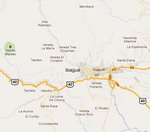
View map of Ibague
|
|
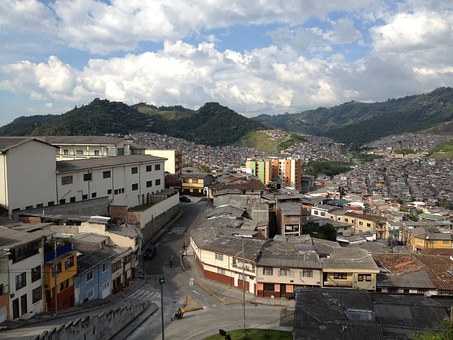
< is a city and municipality in central Colombia,
capital of Department of Caldas and part of the region of Colombian
Coffee-Growers Axis, near the Nevado del Ruiz volcano. Nowadays the city
is the main center for the production of Colombian coffee and an
important hub for higher educational institutions.
Also
read:
Colombian
Coffee - The Best in The World
|
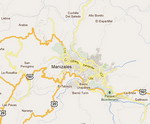
View map of Manizales
|
|
Quimbaya is a town and municipality in the western part of the
department of Quindío, Colombia. It is 20 km northwest of the
departmental capital Armenia. The name of the city derives from the name
of the Precolumbian culture that inhabited the area, the Quimbaya
civilization. Quimbaya is bounded to the north and west by the department
of Valle del Cauca, with La Vieja River forming the western limit.
The
National Agricultural and livestock Park (Spanish: El Parque Natural De
La Cultura Agropecuaria), PANACA, is located 7 km west of the main
township. The 47 hectare park contains a variety of interactive exhibits,
including more than 200 species of animals. Along with the National Coffee Park in Montenegro, the theme park is
one of major tourist attractions of the department.
|
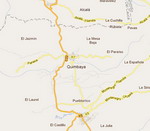
View map of Quimbaya
|
Colombian
Coffee - The Best in The World by Wesley Johnson
Thanks to an aggressive
marketing campaign started in the 1980s, Colombian coffee is now almost
synonymous with the popular image and logo of Juan Valdez and his donkey
trekking through the Colombian mountains.
However,
with the advent of specially grown coffees, environmentally sustainable
coffees, organic and fair trade coffees, Colombia is working hard to
upgrade its image and become the world's premiere source for
high-quality, gourmet coffees.
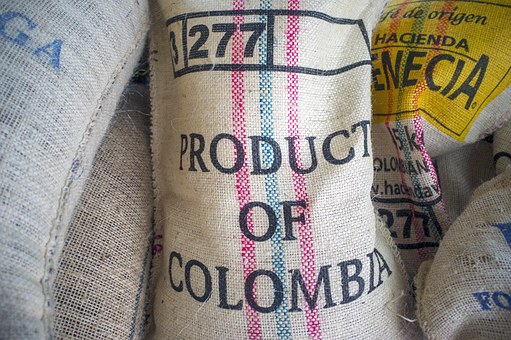
Types
of Beans Grown in Colombia
Almost
all the coffee beans grown in Colombia are 100 percent Arabica beans. The
Arabica bean is low in caffeine and acidity and are best grown in rugged,
mountain terrains.
The
Arabica bean is the most popular bean in North America, thanks to its
superior taste and how well it lends itself to a classic, American medium
roast.
Washed
Arabica
Colombian
coffee beans go through a washing process. This wet processing purifies
the beans, takes out some of the acidity and gives the coffee a stronger
aroma and richer taste, making it ideal for the coffee lover.

Coffee
Growing Regions in Colombia
The two
largest coffee-growing areas in Colombia are the central region including
Armenia, Manizales and Medellin and the eastern, more
mountainous area closer to Bogota
and Bucaramanga.
Major
Carriers of Colombian Coffee
Most
standard, store brands will have Colombian coffee. However, many will
also blend these with beans from Brazil, Africa or other Latin countries.
To ensure a brand is 100 percent Colombian, look for the Juan Valdez logo
and 100 percent Colombian certification.
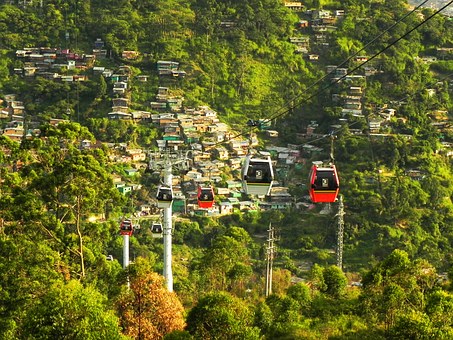
Organic
and Fair Trade Farming in Colombia
Thanks to
consumer demands, a number of coffee plantations in Colombia are working
toward a triple seal certification. The Triple Seal is the highest level
an organic farmer can obtain and requires first that the farmer meets the
USDA organic cultivation standards.
Next,
the grower must create a natural shade grown coffee plantation. So,
instead of relying on artificial shades or screens, the grower must plant
and grow a natural, plant-based canopy.
Finally,
the last seal is granted by the Smithsonian Migratory Bird Center and
Rainforest Alliance. This seal is dependent on how the coffee plantation
affects the natural habitat around it both now and in the future.
Many
Colombian coffee growers are also moving toward fair trade practices to
stay competitive with the international coffee market. Remember, coffee
is a volatile commodity, so staying in tune and on top of customer
demands is crucial to growers and manufacturers remaining competitive in
the java business.
top
|
|
About the Author: For
additional informative details on coffee and enticing flavors that
explode your taste buds, please visit http://www.coffeetryst.com, a
popular site with insights on coffee options, such as flavored decaf
coffee, gourmet coffee gift baskets, and many more!
|
|