|
Search
this site

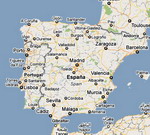
View
map of Spain

View map of Valencian Community
 Tour
Options Tour
Options
Other
Options
Home
Page
Adventure
Vacations
Eco-Tourism
Vacations
Join
Us
Search
Options
Site
Map
Travel
Poster Store
Web
Design Service
Copyright © All World
Vacation Station
|
|
| VALENCIAN
COMMUNITY, SPAIN TRAVEL GUIDE |
|
Featured
Valencia & Province Hotels / Tours
in Valencian Community
Valencian
Community / Costa Blanca Self-Catering/Vacation Rentals
Costa
Azahar Self-Catering/Vacation Rentals
Valencian Community
Travel Guide
City
of Arts and Sciences, Valencia
Denia
- Costa Blanca Holiday Resort On The Rise
Getting
To Know Alicante Spain
Javea,
Spain
La
Tomatina - A REAL tomato food fight in Spain!
Torrevieja,
Spain - Sun, Sand and Culture
Towns
in and Around Benidorm
Valencia
- UK Holiday Gateway to the Northern Costa Blanca
City
of Arts and Sciences, Valencia by Anita C
This
wonderful world of science and nature was created by architects Santiago
Calatrava and Félix Candela and is the largest cultural-educational
complex in Europe. Covering over a 3 km stretch of the drained and diverted
river Turia and measuring approximately 350,000 sqm it comprises of five
different buildings which are L'Oceanogràfic, L'Hemisfèric,
El Palau de les Arts Reina Sofía, L'Umbracle and El Museu de les
Ciències Principe Felipe.
| L'Umbracle is the entry
to the City of the Arts and Sciences and consists of an enormous green
320 metres in length and 60 metres in width. The gardens are surrounded
by many palm and orange trees along with various shrubs, 5,500 ground plants
and at least 450 climbing plants. Don't forget to look for the fragrant
plants of Rosemary and Lavender and also take in the views of the entire
complex from this area.
Leaving L'Umbracle you come
across a spectacular building consisting of a huge glass wall and hanging
platforms, this is the Prince Felipe Science Museum. Here visitors are
encouraged to take part, touch and experiment with present day and future
technology. Within this building you will also find the L'Espai dels Xiquets,
this is an area especially for young children aged between 4 and 7 where
they can watch in a giant incubator funny little chicks hatching from their
eggs, followed by a Cartoon Mascot on a giant screen.
Visit the Space Cadet School
and travel with Professor Bombilla and his assistant Sparky through the
solar system in an audio visual spectacle which lasts approximately 10
minutes. |

Buy
at AllPosters.com
|
You can also see on the first
floor of the museum a giant pendulum which hangs from the top of the building's
eaves, this demonstrates how the earth rotates around its own axis and
is said to be one of the longest in the world! Near to the museum is the
building which is shaped in the form of a huge human eye, this is called
L'Hemisfèric. Here you can enjoy 3D films, laser shows, multimedia
shows and hundreds of animations.

Palau
de les Artes, Valencia, Spain
Buy
at AllPosters.com
|
Take a spectacular adventure
to the Grand Canyon, one of the most remote and extraordinary places in
the world. Experience the thrills of flying over it or the breathtaking
sensation of sailing along its waters and discover the history surrounding
it. Visit 'Forces of Nature', a National Geographic film based on the greatest
natural disasters on our planet. Feel the power of the earthquakes, volcanoes
and tornadoes in the company of scientists.
At the other end of the City
of Arts and Sciences is l'Oceanogràfic which is Europe's largest
marine centre. The aquarium is home to 45,000 examples of 500 species from
around the world. Walk through the maze of glass and tunnels, taking in
the spectacular marine life and surrounding yourself with sharks and rays
or walk with the penguins. |
Dolphin in L'Oceanografic
In the Temperate and Tropical building you can see the Marine Turtles and
in the Izu Peninsula there is an exhibit which recreates the coastline
in Japan.
This area is where the giant
spider crab can be found which grows up to an amazing 4 metres in length!
A must for all visitors is the Dolphinarium which is one of the largest
in the world and contains approximately 23 million litres of water. Seating
up to 2,210 people you can watch the Bottlenose dophins which are common
in the coastal regions and the building also has small whales - a must
for the children during those long summer holidays.
The majestic building known
as Palau de les Arts completes the City, said to be the largest Opera House
after the Sydney Opera House. Inside the Main hall there is seating for
1,800, the Master Room or Chamber Musical Hall seats 400, the Amphitheatre
above the Main hall seats 1,800 and the Chamber Theatre seats another 400.
You can visit the City by taking the A7 and the N340 or for further information
call 902 100 031 or visit your local Tourist Information Office.
Featured
Valencia & Province Hotels / Top
Valencian
Community / Costa Blanca Self-Catering/Vacation Rentals
Costa
Azahar Self-Catering/Vacation Rentals
About the Author: Featured
in Look For It Buscalo Magazine Sl. © Copyright by Lookforit-buscalo.com
|
| VALENCIA
& VALENCIA PROVINCE FEATURED HOTELS, SPAIN |
|
VALENCIA
CITY FEATURED HOTELS, SPAIN
|
|
Search
for hotels in the city of Valencia and the surrounding areas
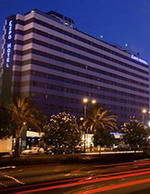 |
Expo
Hotel, Valencia
The Expo Hotel is located
in Valencia, Spain, opposite Turia Park. It is two kilometres from the
IVAM modern art museum and the historic centre. Valencia Airport is 10
kilometres away. This modern hotel forms part of the Nuevo Centro
shopping complex. The nearby Turia Park is perfect for skating and jogging,
and also has a children's playground. It features a rooftop pool,
open in summer, with striking city views. Wireless Internet is available
in public areas, and the hotel houses meeting and exhibition facilities.
Expo Hotel's Mandarina restaurant has an open kitchen and offers Valencian
dishes and a la carte menus. Drinks can be enjoyed at the piano bar. |
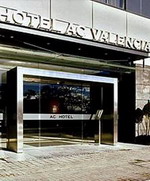 |
Hotel
AC Valencia
The ultra-modern AC Hotel
Valencia occupies a spot in the new section of Valencia, Spain, five-hundred
meters from the City of Arts & Sciences complex. The City of Arts &
Sciences complex boasts L'Hemisferic (iMax theatre), L'Oceanografic (aquarium),
the interactive Science Museum Principe Felipe and a botanical garden.
A host of shopping opportunities also lies within meters of the hotel.
Moreover, the hotel stands only two kilometers from sandy beaches along
the Mediterranean Sea. The lobby's velvet sofas sport metal appendages
and offer an ideal spot to read a complimentary newspaper while sipping
fresh java from the coffee bar. Other relaxing amenities include a fitness
centre and steam room. Meanwhile, chefs at the AC Valencia restaurant,
Alos, prepare gourmet Mediterranean dishes with fresh local ingredients. |
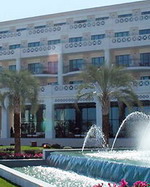 |
Hotel
Las Arenas Balneario Resort, Spa Hotel, Valencia
The contemporary Hotel Las
Arenas Balneario Resort is next to the golden Las Arenas beach in Valencia,
Spain. The hotel is within five kilometres of Valencia's famous Cathedral,
City Museum and Fine Art Museum. Flanked by palm trees, the bright and
airy Hotel Las Arenas Balneario Resort is set in 8000 square metres of
lush gardens. The hotel provides complimentary newspapers in the air-conditioned
lobby, which has a concierge desk and currency exchange. Las Arenas Balneario
offers fine Spanish seafood in Las Arenas restaurant and modern international
classics in Valencia restaurant. There is also a bar and nightclub. The
hotel has an indoor pool and an outdoor pool with poolside bar. There are
treatment rooms for massages and other spa and beauty services. Scuba diving
and windsurfing are available nearby. |
 |
Hotel
Silken Puerta de Valencia
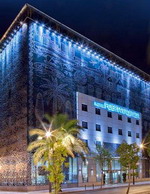
A modern hotel with a striking
tiled mural facade, the Silken Puerta Valencia is next door to the City
of Arts and Sciences Museum and two kilometres from the Valencia cathedral.
The hotel is well placed for exploring Valencia's many sights. The Mestalla
Football Stadium, home to Valencia FC, is just 50 metres away and the City
Museum is two kilometres from the hotel. Guests can enjoy drinks and tapas
in the cafe/bar and admire works by renowned artist Javier Mariscal featured
in public areas of the hotel. Guests with laptops can take advantage
of Wi-fi access in public areas, and business guests are served with conference
facilities and meeting rooms. The hotel has a garage for those arriving
by car. The Puerta Valencia Restaurant, open for breakfast, lunch and dinner,
serves creative Spanish cuisine and features minimalist furnishings and
modern art, and the cafe offers tapas and cocktails. |
 |
Parador
El Saler, Golf & Spa Hotel, El Saler, 12 kms from Valencia
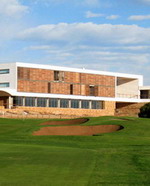
A must for golf lovers thanks
to the 18-hole golf course, the Hotel is seen as one of the best in the
world. The large comfortable rooms - some with sea views - are an invite
to relaxation. Located on the coast, there is also a fantastic SPA to relax,
an outdoor pool and a grass football pitch. The completely renovated
and new plan building strictly respects the natural setting with its grand
glass-dominated structure bringing guests closer to La Albufera Nature
Reserve from all indoor spaces. The lower floor houses a modern conference
and events room - the ‘Vela Latina’ - with a maximum 400 pax capacity that
may be split into 5 spaces. This means it may be tailored to suit any requirement.
There’s nothing like a good paella ... We recommend you try the Parador’s
star dish: paella. |
 |
Petit
Palace Bristol Hotel, Valencia
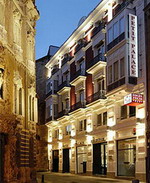
The Petit Palace Bristol
in Valencia is located in the historic city centre, just 100 meters away
from Cathedral Square and various shops. The hotel is strategically located
only 6 kilometres east of the Valencia Manises Airport. Oceanografic is
just a 20-minute walk from the hotel and the beach is just 3 miles away.
This bohemian, classic and elegant hotel, which resides in a renovated
19th-century palace, is across from the National Pottery Museum and near
the Council Mayor. Comfortable facilities and convenience are qualities
guests travelling for business or pleasure can expect at the Petit Palace
Bristol. A friendly and inviting staff is on hand to assist with any needs
of all guests. The hotel is minutes away from fine dining, shopping and
entertainment venues. |
 |
The
Westin Valencia
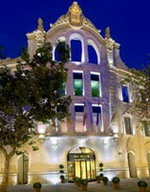
The Westin Valencia has
a traditional façade and decorative arched windows, and is situated
in Valencia, seven blocks from the cathedral and three kilometres from
Las Arenas Beach. The 850-square-metre spa and health centre offers
an oasis of relaxation with its indoor pool, sauna, Turkish hammam, 8 treatment
rooms, solarium and beauty centre (fees apply). Access to the fitness center
is complimentary. h-club Valencia serves a selection of drinks and cocktails
accompanied by live music in the evenings. The Westin Valencia
serves traditional and local specialities in the modern setting of the
Mediterranean Restaurant, Rosmarino, complete with an outside terrace.
Light lunches, snacks and drinks are also available in the art deco-style
El Jardi Lobby Bar. |
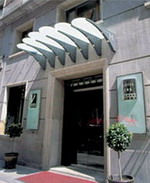 |
Vincci
Lys Hotel, Valencia
The Vincci Lys Hotel in
Valencia is a six-floor building situated in the historic city centre,
700 metres from the cathedral and four kilometres from the beach. Travellers
will enjoy the historic area El Carmen, with its lively nightlife, 800
meters away, and the City of Sciences, two kilometres away. Valencia Airport
is 10 kilometres from the hotel, approximately 20 minutes driving time.
Vincci Lys features the Restaurante Almudi, which serves an extensive range
of Mediterranean cuisine in quiet and rustic surroundings. Bar Micalet
serves coffee from all over the world, as well as a wide range of alcoholic
drinks, including local specialties of Valencia. Alternatively, guests
can take advantage of room service. The Vincci Lys Hotel, Valencia,
has wireless Internet access for a surcharge, meeting and conference rooms
available for business clients. |
Continue
browsing hotels in the city of Valencia and the surrounding areas
Top
|



