|


View map of Kenya
 View map of Africa View map of Africa
Copyright © All World Vacation Station
|
|
|
 Beach
holidays, mountain trekking and safari adventures in Kenya Beach
holidays, mountain trekking and safari adventures in Kenya
For those planning an
African experience, Kenya is an excellent choice. This East African
country offers a variety of landscapes from its tropical Indian Ocean
beaches to its inland savannah, mountain highlands and the Great Rift
Valley and everything in between... read more
The Republic
of Kenya is a country in Eastern Africa. It is bordered by Ethiopia
to the north, Somalia to the northeast, Tanzania to the south, Uganda
to the west, and Sudan to the northwest, with the Indian Ocean running
along the southeast border.
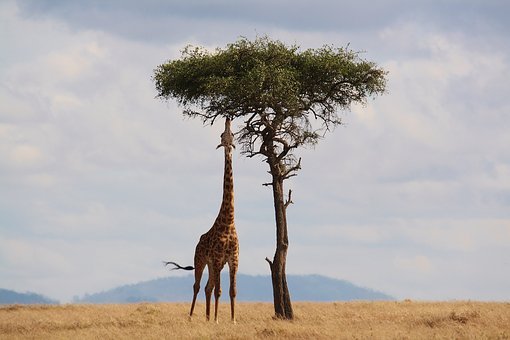
Kenya
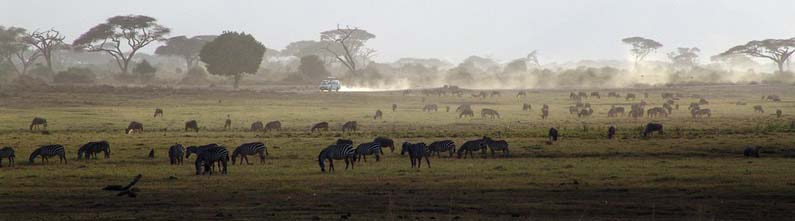
has considerable land area of wildlife habitat, including maasai mara,
where blue wildebeest and other bovids participate in a large scale
annual migration. Up to 250,000 blue wildebeest perish each year in the
long and arduous movement to find forage in the dry season. The
"Big Five" animals of Africa can also be found in Kenya: the
lion, leopard, buffalo, rhino and elephant. A significant population of
other wild animals, reptiles and birds can be found in the national parks
and game reserves in the country. The environment of Kenya is
threatened by high population growth and its side-effects.
|
|
Travel Reading on Kenya:
Kenya Beach Vacation - fun things to do on
the eastern Africa coast
Kenya Mt Climb Guide,
Information and Facts - Climbing Kenya Mountain
Mombasa Travel Guide
Mt Kenya Climbing - Kenya
trekking, Kenya Mount Organized Treks
Preparing Yourself for a Wildlife
Photography in Kenya
|
Preparing
Yourself for a Wildlife Photography in Kenya by Lucy Maruhi
When I first thought about doing
wildlife
photography in Kenya I was a bit stuck for inspiration. I was in
the middle of the city with no wildlife in sight, unless you counted
the people milling all around me, and I wasn't due up for another long
vacation in Kenya for at least a few months yet. So obviously wildlife
photography in Kenya, in the wild was out, but someone very helpfully
pointed me in the direction that I'm about to point you in now. There
is more or less all the wildlife varieties that I could want in Kenya,
you just need to be where the action is.
Its
the thought of capturing on film the big cats like the lions, the
cheatah and the Leopards or maybe the elephants that brings me to
Kenya. What about hippos, or zebras or even rhinos? You could even go
for the birds at the Kakamega Game Reserve Deep in the indegenous rain
forest with beautiful bird species that you could only marvel at.
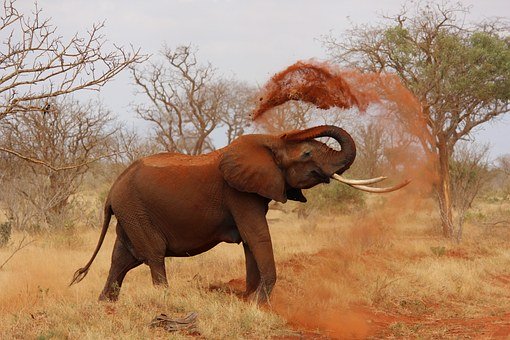
And
if you don't like the idea of going big, then do you like the idea of
going small? Have you thought about monkeys, squirrels, butterflies and
insects? What about the much maligned rodent varieties? As you can see
there are many different types of wildlife photography in Kenya options
available to you and you just have to reach out and take it.
In
the wild, is where you get all the action, all the heart pounding
terror of being in the wild along with the animals, knowing that you're
in their home court and that your advantage depends entirely on the
guide who's leading you around. This then is what many of the greatest
photographers interested in wildlife photography in Kenya yearn to do
and where they end up anyway. Whether the reality meets their
expectation of the dream is another matter entirely.
They're
there, in the wild, with the ability to get up close and personal with
their wildlife subjects. Nothing at all like the zoo back home, but
then again what did you expect right? However, it's also true that
wildlife photography in Kenya shots, are natural, and don't have to be
shots of the big game animals. wildlife photography in Kenya shots can
be of anything that is considered wild. Take the wildebeest crossing
the Mara river for instance. I consider the shots that I took of this
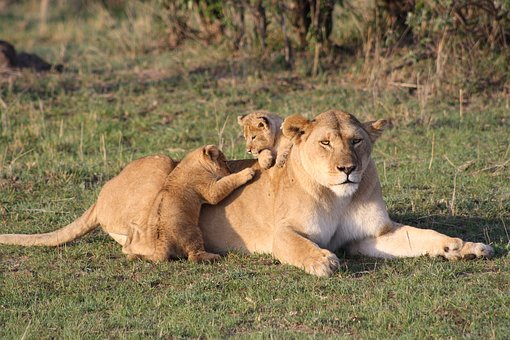
phenomenon to be God sent. The sight of the Lions bouncing and bounding
around like nobody's business and defending their territory with deep
menacing growls is a sight to capture when doing wildlife photography
in Kenya. The fact that they wouldn't hurt human beings is another
matter entirely.
So
although in-the-wild wildlife photography in Kenya is great and looks
amazing, its not an easy job for the amateur photographer, at least in
the beginning. The Kenya wild is preferably where you might like to take
your wildlife photographs, but sometimes you just don't have the choice
or the ability to do that. In that case I would recommend that you
start your sojourn into wildlife photography at your local zoo. I am
not Kidding! Going to the Masai Mara, Samburu, or the Tsavo National
Parks will offer you the opportunity to catch some of the fiercest
wildlife, in their habitats, then at their best and their worst. It's a
bit like catching a movie star in their baggy sweat pants with
absolutely no makeup on them! It's fascinating and you will absolutely
get the chance for candid shots if you were in their natural habitat.
Top
|
|
Read more Kenya
articles
|
The
allure of Mombasa - Kenya's all-round tourist resort
Mombasa is a major sea
gateway for the whole of eastern Africa. It is Kenya's oldest
town and the second largest metropolis, after the capital city,
Nairobi. It is also the air gateway for those coming to enjoy the
beaches along the Kenyan Coast. From Mombasa, you can enjoy Kenya's magical
wildlife safaris.
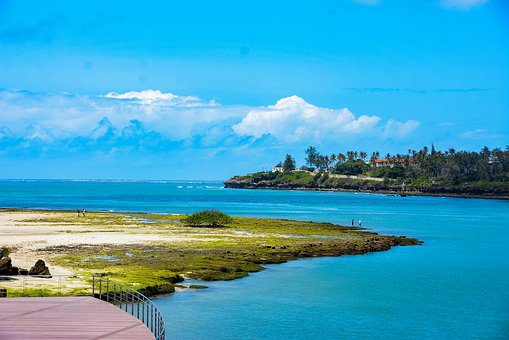
Mombasa
has a long history dating back to 200 AD. There is an old harbor that
is still visited by trading dhows bringing frankincense, Myrrh and
marvelous Persian and Bokhara carpets for the Mombasa bazaars. A walk
around the old town is a fascinating maze of narrow streets,
overhanging balconies and mysterious doorways leading to dark
interiors. History and culture of Mombasa A melting pot of
diverse culture, once conquered by the Portuguese, Mombasa has seen
many rulers and conquerors - the Arabs used Mombasa for the slave trade
and the British used the town as a naval and trading post.
Fort
Jesus, overlooking the entrance of the old port of Mombasa, was built
by the Portuguese in 1593 to protect their trade route to India. An
Italian architect, Jao Batisto Cairato, designed it; it was the 'crown
jewel' of his career. Fort Jesus is today hailed as one of the
best examples of 16th century military architecture. In 1962, the Fort
opened its doors to the public as a museum and has since remained a
popular attraction for foreign and local tourists, researchers and
students.
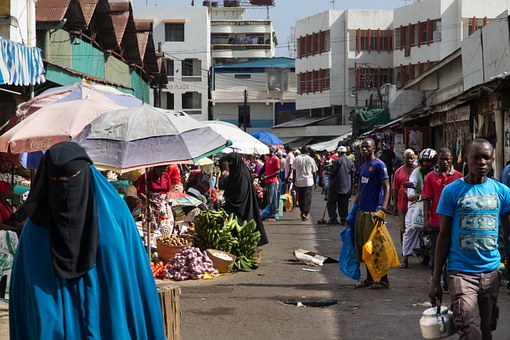
Alongside
Lamu town, Mombasa is the epitome of Swahili. Many buildings in
residential areas, and part of the old town are still built in the
original Swahili architectural form, with a blend of modern plans.
Swahili houses are large and spacious, with intricate carvings in wood
and plaster and lavish doorframes.
Beach Activities in Mombasa
Besides swimming and simple
sunbathing, you can undertake a wide variety of water sports and water
activities while on vacation in Mombasa. These include scuba diving,
snorkeling, dhow trips, deep-sea fishing and many others. The
waters below teem with abundant marine life. In Mombasa, the sun shines
all year round. The diversity of activity is simply unequaled.
Night life in Mombasa
Nightlife in Mombasa is
limited mainly to eating out while many of the nearby beach hotels
feature discos, casinos and nightclubs. North and south of
Mombasa Island are the most developed beach resorts with a wide choice
of hotels that have nightlife activities.
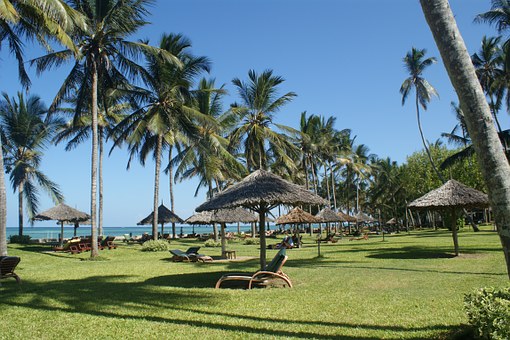
National parks for wildlife
viewing from Mombasa
Because of Mombasa's
proximity to wildlife national parks and game reserves, visitors to
Mombasa are able to enjoy safaris to so of Kenya's wildlife
areas. Day excursions to the parks and even short overnight
safaris can be easily arranged from Mombasa.
Towards
the south of Mombasa, there is The Shimba Hills national reserve and
the adjoining Mwalugange Elephant sanctuary represent an environment of
extraordinary diversity. Both are no more than 250 square
kilometers and 36 square km respectively and yet together they form one
East Africa's most diverse plant and animal havens. It takes less
than 1 hour to drive from any of the hotels in the north coast of
Mombasa to Shimba Hills Lodge.
Apart
from Shimba hills, and to the interior of the country, you find the
Tsavo National park. This park is split into two sectors of East and
West covering a total area of over 20,000 sq km. Tsavo was once famous
for herds of over 60,000 elephants. Although these herds have since
been depleted through drought and poaching, it is still possible to see
large herds on the east side.
Over
the west are the Mzima springs where Hippo and Crocodile can be seen
from an underwater hide. Taita Hills Wildlife Sanctuary is
a small, private game sanctuary adjoining Tsavo and has a high
concentration of wild animals. Driving from Mombasa to Tsavo East gate
will take 2 hours at most.
Further
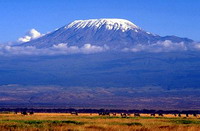
inland from Mombasa, you find a little gem of a park - Amboseli -
situated right at the foot of Mt Kilimanjaro, Africa's highest
mountain. Elephants abound in the lower forest and swamp areas.
Cheetahs are found on the salt flats, Giraffe wander through the Doum
palms while herds of Zebra and Wildebeest feed on the open plains. The
snow-capped dome of the mountain provides the perfect backdrop to the
peaceful grazing game, making this park a photographer's paradise.
Top
|
|
|
Kenya
Beach Vacation - fun things to do on the eastern Africa coast
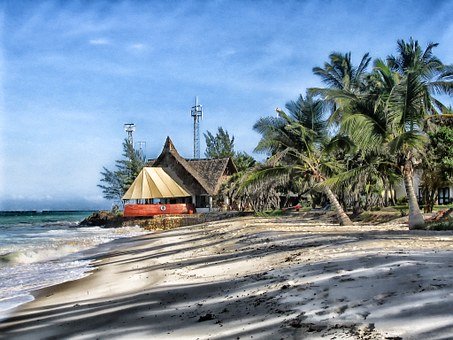
The beaches of Kenya are
some of the world's most alluring playgrounds. Besides the beauty and
tranquility, they offer plenty of opportunities for water sports and
other beach vacation activities. Or simply sun-bathing. One is not
surprised then, that more than 50% of Kenya's international standard
hotels are based along the coast.
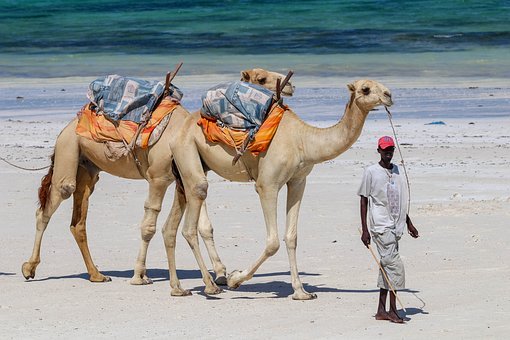
Some
of the fun things to do while on your beach vacation on the Kenya coast
are:
Dolphin-Watching
Since dolphins are frequent
visitors off the Kenyan coastline, dolphin-spotting dhow trips are
organized to the Kisite Marine Park. This is a full day trip with
traditional lunch served either onboard or on Wasini Island. Snorkeling
equipment is provided so that you can build up an appetite while
exploring the coral gardens.
Dhow Trips
A dhow is a traditional
sailing ship with over 1000 years history of plying the waters of the
East Africa Coast. Built entirely from wood, they were traditionally used
to transport spices, carpets, and other goods between Africa and India.
Sightseeing, lunch or dinner is available with on-board entertainment
in form of fire-eaters, limbo dancers, acrobats and more.
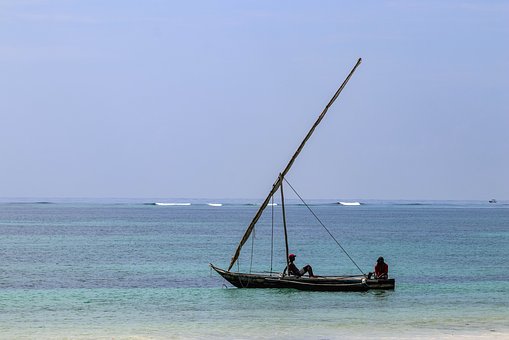
Dhows
usually have wooden eyes carved into the front sides. It was believed
that these eyes would protect the dhow from being marooned on reefs,
and from the evil eye that could be placed by the enemies. Today, the
tradition lives on, even though the superstitions have died out.
Visit to the Marine Parks
The beach towns of Mombasa,
Malindi and Watamu all have marine parks and reserves are simply
amazing in terms of diversity and beauty of the marine life they host.
They pars and reserves are also very accessible. The Kiunga Marine
National reserve provides a refuge for rare sea turtles and dugongs -
mermaids. Trips from the hotels can be arranged to the animals and
appreciate the conservation efforts being undertaken to save them from
extinction.
Deep-sea fishing
Some of the best fishing off
the African continent is found off the Kenyan coast, where many
all-Africa records have been set. Kenyan waters are home to millions of
billfish and contain the top sporting game-fish. Malindi is probably
the best place in Africa for sailfish, while the Pemba channel is known
for striped marlin, large yellow-fin tuna and sharks. All along the
coast from Lamu in the north to Shimoni in the south, boats and
equipment are available for hire.
Scuba Safari
The Kenyan coral reef is
home to some of the world's most diverse marine life. Swim along the
coral gardens and visit the marine life underwater. For wreck divers,
MV Diana lies in around 35 meters of water just off Bamburi Beach in
the north coast beach of Mombasa.
Various
activities are also available along the entire coast, including
windsurfing, water skiing, snorkeling and scuba diving. Surfing can be
found off Lamu at Sheila beach, but beware of sharks, as there is no
coral reef.
Most
hotels will have an information desk where you can access information
on how to book and get your waters ports and activities organized.
Top
Solomon
Okila is the Editor and Senior Safari Consultant at African
Voyages Tours and Travel. This is a tour operator and
Safari Outfitter that specializes on African Travel and holidays. The
website has guided thousands of travelers to achieve their dream
holiday.
|
Angola - Botswana - Burkina Faso
- Cameroon - Congo - Eritrea - Ethiopia - Gabon - Gambia -
Ghana - Ivory Coast - Kenya - Lesotho - Madagascar - Malawi - Mauritius - Mozambique
-
Namibia - Nigeria - Senegal - Seychelles
- South Africa - Swaziland - Tanzania
-
Tunisia - Uganda - Zambia - Zanzibar - Zimbabwe
|