|
Search
this site

View
map of Europe
View
map of Italy


Buy
This Allposters.com
|
|
| Siena
Featured Hotels
Siena
Self-Catering Accommodation
Italy
Travel Guide
Enjoy
history, culture and sunshine in Siena
Visiting
Siena
Holidays
in Tuscany - For a beautiful Italian holiday |
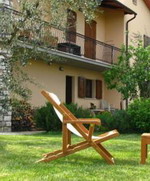 Casa
Degli Olivi, Siena Tuscany (Ref: 26686), Self catering apartment in
Cetona, Italy Casa
Degli Olivi, Siena Tuscany (Ref: 26686), Self catering apartment in
Cetona, Italy 
This one-bedroom, self-contained
apartment sits along side the strada del polaco on the outskirts of the
historic town of Cetona. The apartment is attached to the owner’s
home on this beautiful, organic smallholding overlooking vineyards, olive
trees and sunflowers. It is a 10-15 minute walk to the town of Cetona
where you can have coffee in the piazza with the locals. .... Sleeps
3. |
View
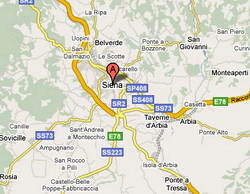
map of Siena, Tuscany, Italy
|
Enjoy
history, culture and sunshine in Siena by Dipika Patel
Siena
Featured Hotels / Siena
Self-Catering Accommodation
When you think about taking
holidays in Tuscany you probably imagine sitting in the sun and enjoying
the stunning countryside views and a glass or two of Chianti. But there
is far more to this beautiful part of Italy than the serenity of its rural
areas - including the fascinating city of Siena.
|
If you choose to rent a villa
in Tuscany for your next break, you are sure to find spending a day or
two exploring Siena a rewarding experience. It may be one of the smallest
cities in Italy, but it more than makes up for that with its friendly atmosphere
and historic and cultural attractions.
The city centre has so many
important medieval buildings that it has been given UNESCO World Heritage
Site status. You will realise why within minutes of arriving in the city,
as the splendour of its Gothic architecture dominates Siena.
| Piazza del Campo,
the city's main square, contains some magnificent examples of period buildings,
including some that were originally luxurious homes for the area's richest
families.
It is also where you will
find the spectacular town hall - the Palazzo Pubblico - and its
imposing bell tower, the Torre del Mangia. The external designs
of both buildings have been copied in cities around the world, but you
will not be able to find the spectacular secular frescoes it houses anywhere
else.
Duomo di Siena, the
city's Romanesque-Gothic cathedral, is one of the most striking buildings
you will see anywhere in Italy. Some of the world's leading artists and
sculptors were involved in its design and construction and as a result,
its exquisite exterior, altar, pulpit, stained glass windows and marble
mosaic floor are all real works of art.
Duccio, Michelangelo, Bregno
and Donatello were among the people to contribute to the building you see
today and it houses some wonderful artworks. There is also a museum nearby,
the Museo dell'Opera del Duomo, that is home to a number of pieces
that have been removed from the cathedral. |

Buy
This Allposters.com
|
Choose to stay in Italian
villas with pools close to Siena for your next holiday and you will be
able to enjoy the full splendour of the historic city, as well as the beautiful
countryside and Tuscany's famous food and wine.
top
/ Siena Featured Hotels / Siena
Self-Catering Accommodation
About the Author: Invitation
to Tuscany is the place to go if you want to rent Italian villas with pools
for your next holiday. Whether you are planning a relaxing break in the
Italian countryside or a busy schedule of sightseeing in Siena, Invitation
to Tuscany can help you to rent
a villa in Tuscany for your holiday. |
SIENA
FEATURED HOTELS - TUSCANY, ITALY
|
|
Search
for Siena Hotels
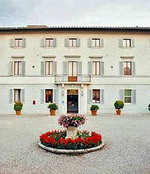 |
Hotel
Garden Siena
This hotel is located in
Siena. Palasport Mens Sana and Antiporto di Camollia are area attractions.
Additional attractions include Stadio Artemio Franchi - Montepaschi Arena.
Dining options at Hotel Garden include a restaurant and a bar/lounge. Room
service is available during limited hours. A complimentary breakfast is
served daily. Recreational amenities include a children's pool. This 4.0-star
property has a business center and offers small meeting rooms and business
services. High-speed Internet access is available in public areas. Guest
parking is complimentary. Additional property amenities include multilingual
staff and laundry facilities. |
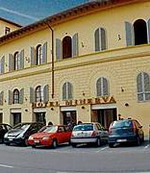 |
Hotel
Minerva Siena
Rendering unique hospitality
with cordial service, the Hotel Minerva Siena is a perfect choice for an
incredible vacation. Situated in the historic centre of Siena, this
property is within walking distance from Piazza del Campo, while the train
station is 500 metres away. This hotel offers 59 impeccable accommodation
units that are exquisitely designed with all the essential amenities to
ensure you a pleasurable stay. The bar offers a rich choice of Italian
patisserie, Continental breakfast as well as a variety of cheese and delicatessen
from Tuscany. After a tiring day, you can make use of the sauna,
jacuzzi, whirlpool, massage services and hot pool available nearby. |
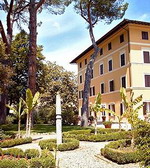 |
Hotel
Villa Patrizia Siena
This hotel is located in
Siena. Palasport Mens Sana is an area attraction. Additional attractions
include Stadio Artemio Franchi - Montepaschi Arena. Dining options at Hotel
Villa Patrizia include a restaurant and a bar/lounge. Room service is available
during limited hours. Recreational amenities include an outdoor pool and
tennis courts. This 4.0-star property offers small meeting rooms and business
services. Wireless Internet access is available in public areas. This Siena
property has event space consisting of banquet facilities and conference/meeting
rooms. The property offers an airport shuttle (surcharge). Guest parking
is complimentary. Additional property amenities include a concierge desk
and complimentary newspapers in the lobby. |
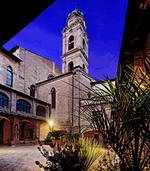 |
Il
Chiostro del Carmine Siena
This hotel is located in
Siena, and San Niccolò al Carmine, Palazzo Pubblico, and Piazza
del Campo are area attractions. Additional attractions include Mangia Tower.
The property offers an airport shuttle (surcharge). Guest parking is available
for a surcharge. Wireless Internet access is available in public areas.
This Siena property has event space consisting of banquet facilities and
small meeting rooms. Il Chiostro del Carmine features laundry facilities,
tour assistance, and air conditioning in public areas. A complimentary
buffet breakfast is served daily. There are 18 guestrooms at Il Chiostro
del Carmine. Coffee/tea makers and minibars are offered. Bathrooms feature
bidets, complimentary toiletries, and hair dryers. |
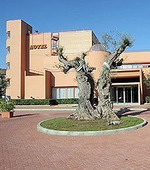 |
Mercure
Siena Degli Ulivi Siena
This hotel is located in
Siena, and Palasport Mens Sana, Stadio Artemio Franchi - Montepaschi Arena,
and Palazzo Pubblico are area attractions. Another nearby attraction is
Antiporto di Camollia. Dining options at Mercure Siena Degli Ulivi include
a restaurant and a bar/lounge. Recreational amenities include a sauna and
a fitness facility. Guest parking is complimentary. Additional property
amenities include express check-in. There are 150 guestrooms at Mercure
Siena Degli Ulivi. Televisions have satellite channels. Air-conditioned
rooms also include minibars. Guests may request wake-up calls. Guestrooms
are all non-smoking. |
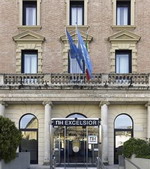 |
NH
Excelsior Siena
NH Excelsior is located
in central Siena, close to Stadio Artemio Franchi - Montepaschi Arena,
Palazzo Pubblico, and Piazza del Campo. Nearby points of interest also
include Mangia Tower and Enoteca Italiana. Dining options at NH Excelsior
include a restaurant and a bar/lounge. Room service is available during
limited hours. This 4.0-star property offers small meeting rooms and audio-visual
equipment. Wireless Internet access (surcharge) is available in public
areas. This Siena property has 10 meeting rooms. Guest parking is available
for a surcharge. Additional property amenities include multilingual staff
and complimentary newspapers in the lobby. |
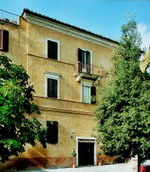 |
Piccolo
Palio Hotel Siena
Featuring an elegant decor
and a warm hospitality, Piccolo Il Palio Hotel Siena welcomes you for an
unforgettable vacation. Previously a monastery called Convento dei
Tre Mori and later converted around the fifteenth century, Piccolo Hotel
il Palio is situated in the historical centre of Siena, just a stone's
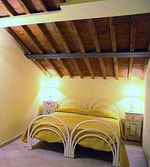
throw from Piazza del Campo and the Dome. The rooms are furnished
in a simple style but they are equipped with every comfort to make your
stay thoroughly enjoyable. Guests can start their day with an Italian
breakfast served in the coffee bar in front of the hotel. You can
enter the historical centre to unload/load your luggage but later you must
park around 300 metres from the hotel. |
 |
Siena
B&B Hospitality Siena
Set in the heart of Siena,
this bed & breakfast is close to Pinacoteca Nazionale, Mangia Tower,
as well as Palazzo Pubblico. Additional attractions include Piazza del
Campo. For a surcharge, the property offers an airport shuttle (available
on request). Guest parking is available for a surcharge. Wireless Internet
access is available in public areas. Siena B&B Hospitality features
tour/ticket assistance, express check-in, and express check-out. The property
serves a complimentary breakfast each morning and hosts a complimentary
reception. Additional property amenities include a safe deposit box at
the front desk. This is a smoke-free property. |
Continue
browsing Siena, Tuscany Hotels
Top
|


